

Uncategorized
“R22 Refrigerant Phase-Out in South Africa: Costs, Risks and Your Air Conditioning Options”
Introduction
At SOS Air Conditioning Systems, we understand that technical HVAC terminology can often be confusing. This guide explains, in simple terms, what R22 refrigerant is, why it is being phased out globally and in South Africa, and how these changes could affect the cost of maintaining your air conditioning system.
Whether you are a homeowner, business owner, property manager, or facilities manager, understanding the implications of the R22 phase-out can help you make informed decisions and avoid unexpected expenses in the future.
Most importantly, we will explain the options available to you and how SOS Air Conditioning Systems can assist with maintaining, upgrading, or replacing your air conditioning system.
What is R22 Refrigerant?
R22 refrigerant, commonly known as HCFC-22, was one of the most widely used refrigerants in residential and commercial air conditioning systems throughout South Africa and around the world for many years.
R22 became popular because it provided reliable cooling performance, energy efficiency, and long-term durability in a wide range of air conditioning applications.
Although R22 served the HVAC industry well for decades, environmental concerns have resulted in stricter regulations and the gradual removal of R22 refrigerant from the global market.
Why is R22 Being Phased Out?
The phase-out of R22 refrigerant is part of a global environmental initiative aimed at protecting the Earth’s ozone layer. R22 is classified as a hydrochlorofluorocarbon (HCFC), which contributes to ozone depletion and environmental damage.
The ozone layer acts as a protective shield around the Earth, helping to reduce the amount of harmful ultraviolet (UV) radiation reaching the planet’s surface. Scientific studies have shown that HCFC refrigerants, including R22, can damage this protective layer.
South Africa, together with many other countries, is committed to the objectives of the Montreal Protocol, an international agreement designed to reduce and eventually eliminate substances that contribute to ozone depletion.
As a result, the availability of R22 refrigerant in South Africa continues to decrease, making it increasingly difficult and expensive to obtain. While many existing air conditioning systems still operate using R22, owners should begin planning for the future as supplies become more limited.
How Will the R22 Phase-Out Affect Your Air Conditioner?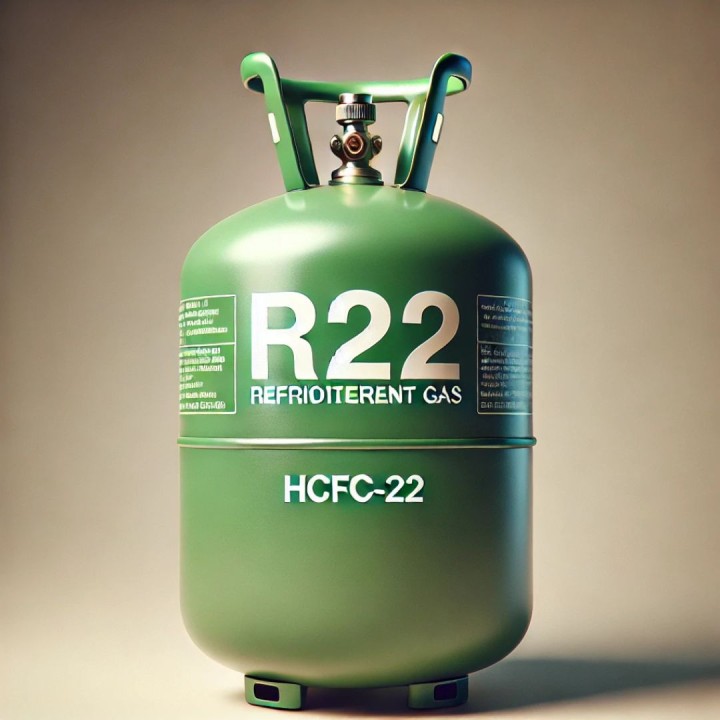
If your air conditioning system still operates with R22 refrigerant, the phase-out may affect maintenance costs, repairs, and long-term reliability.
Increasing Cost of R22 Refrigerant in South Africa
One of the biggest challenges facing South African air conditioning owners is the rising cost of R22 refrigerant.
As available stock continues to decrease, the price of R22 refrigerant has increased significantly over the past few years. If your system develops a refrigerant leak and requires a re-gas, the cost may be substantially higher than it was previously.
This is one of the primary reasons many homeowners and businesses are considering upgrading to newer air conditioning systems that use modern refrigerants.
Repair or Replace: Which Option Makes More Sense?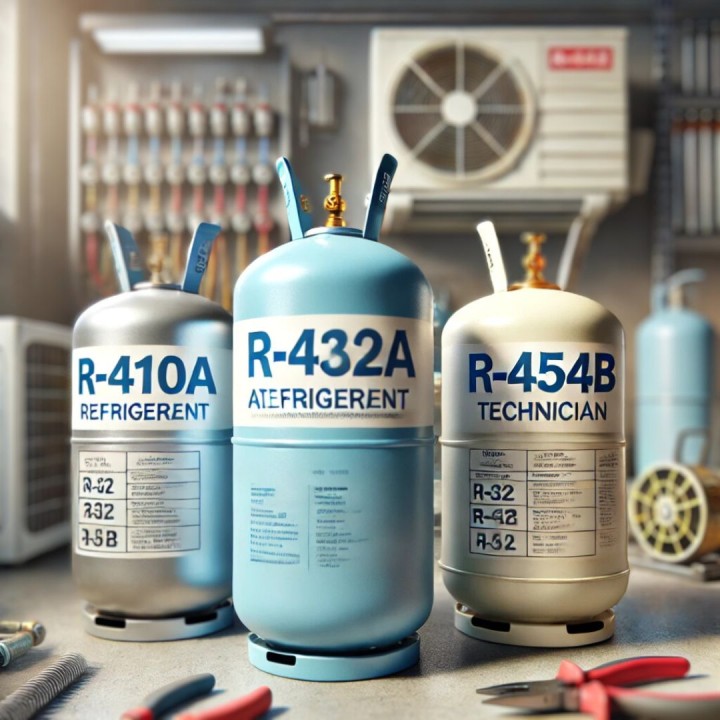
When an R22 system develops a fault or refrigerant leak, owners are often faced with an important decision: repair the existing system or invest in a replacement unit.
Consider the following options:
Repair and Re-Gas:
If the refrigerant leak is minor and the system remains in good overall condition, repairing the leak and recharging the refrigerant may be a practical short-term solution.
However, because R22 refrigerant is becoming increasingly scarce in South Africa, future repairs are likely to become more expensive.
System Replacement:
For systems that are more than 10 years old, replacement is often the most cost-effective long-term solution.
Modern air conditioning systems available in South Africa typically use environmentally friendlier refrigerants such as R-410A, R-32, and R-454B. These systems generally offer improved energy efficiency, lower operating costs, enhanced reliability, and better cooling performance.
With electricity costs continuing to rise in South Africa, upgrading to a more efficient air conditioning system can also help reduce monthly energy expenses.
Can You Continue Using an R22 Air Conditioner?
Yes. There is currently no requirement in South Africa to replace an air conditioning system simply because it uses R22 refrigerant.
If your unit is functioning correctly, you may continue using it.
However, there are several important factors to consider:
- Routine maintenance is essential to maximise the lifespan of the system.
- Future repairs may become increasingly expensive due to rising R22 refrigerant costs.
- Replacement parts for older systems may become more difficult to source.
- Upgrading to a modern system can reduce electricity consumption and improve reliability.
- A new installation typically includes manufacturer warranties and guarantees, which may vary depending on the brand and model selected.
How Do I Know If My Air Conditioner Uses R22?
Many air conditioning systems installed in South Africa before 2010 were designed to operate using R22 refrigerant.
You may be able to identify the refrigerant type by:
- Checking the manufacturer’s information label on the outdoor unit.
- Reviewing previous service records.
- Looking for an R22 marking on the equipment nameplate.
- Contacting a qualified air conditioning technician for assistance.
If you are unsure whether your system uses R22 refrigerant, SOS Air Conditioning Systems can perform a professional assessment and provide expert recommendations.
What Steps Should You Take?
1. Identify Your Refrigerant Type
Confirm whether your air conditioning system uses R22 refrigerant. This information is usually displayed on the unit’s data plate or can be verified by a qualified technician.
2. Arrange a Professional Assessment
An experienced HVAC technician can assess the condition of your system and advise whether maintenance, or replacement would be the most suitable option.
3. Plan Ahead
If your system is ageing or experiencing recurring repairs, it is advisable to start planning for an upgrade now rather than waiting until R22 refrigerant becomes even more difficult and expensive to source in South Africa.
Final Thoughts
The global phase-out of R22 refrigerant is an important environmental initiative designed to protect the ozone layer and support a more sustainable future.
While this transition presents challenges for South African homeowners and businesses with existing R22-based systems, understanding your options today can help you avoid costly surprises tomorrow.
Whether you are considering maintaining your existing R22 system, exploring retrofit options, or upgrading to a new energy-efficient air conditioning system, SOS Air Conditioning Systems is here to help.
Need Advice on Your R22 Air Conditioning System?
If you own a residential, commercial, or industrial air conditioning system in South Africa that still uses R22 refrigerant, now is the ideal time to assess your options.
Whether you are considering ongoing maintenance, refrigerant conversion, or a complete system replacement, SOS Air Conditioning Systems can provide expert advice and cost-effective solutions tailored to your requirements.
Contact SOS Air Conditioning Systems today for a professional assessment and let us help you plan ahead before R22 refrigerant becomes even more difficult and expensive to source in South Africa.
SOS Air Conditioning Systems is an authorised installer of trusted air conditioning brands such as Samsung, Midea, LG, and Alliance. We provide professional air conditioner sales, expert installations, fault finding, repairs, preventative maintenance, and servicing solutions for residential, commercial, and industrial clients in South Africa.
📞 You can also get in touch with Sonia directly, who will gladly assist you with any other questions you may have.
Email: info@sosairconsystems.co.za
Website: www.sosairconsystems.co.za
